

7 Air Fryer Liner Mistakes That Wreck Your Cooking
Last Updated: November 15, 2026
Quick Summary
To choose air fryer liners for your model, measure the flat internal base of the basket, not the rim, and pick a liner 1-2 cm smaller so it sits flat with edges clear of the heating element. Match the shape to your basket and check the liner's heat rating against your cooking temperature.
- Measure the bare flat base with inserts removed, and measure each dual-drawer side separately.
- A liner 1-2 cm smaller than the base usually fits better than one matching the rim.
- Oven-style air fryers need a liner leaving at least a 1 cm border on every side.
- Rotating models with a paddle or stirring arm usually cannot take a loose paper liner.
- Never preheat an empty basket with a loose paper liner inside, as the fan can lift it into the element.
Table of Contents
- Why the Right Air Fryer Liner Comes Down to Your Model
- Air Fryer Liner Size Guide: Measure the Flat Internal Base
- Paper vs Silicone Air Fryer Liners: Which Suits Your Basket
- Air Fryer Liners and Airflow: How Fit Changes Crispness
- Air Fryer Liner Safety: Heat Limits, Placement and Paper Near the Element
- Fixing a Liner That Curls, Blocks the Drawer or Fits a Dual Basket
- Frequently Asked Questions
Why the Right Air Fryer Liner Comes Down to Your Model
Most liner problems start before the food goes in. A liner that is too big curls up the sides.
At Eco Green Living, we sell compostable air fryer liners, and the question readers ask most often is: will this fit my basket?
This guide covers the liner mistakes that ruin cooking results, the measurement method we recommend, and how paper and silicone compare.
Air Fryer Liner Size Guide: Measure the Flat Internal Base
Measure the flat internal base of the basket, not the rim. That flat area is the usable cooking surface, and a liner must sit inside it without climbing the sides.
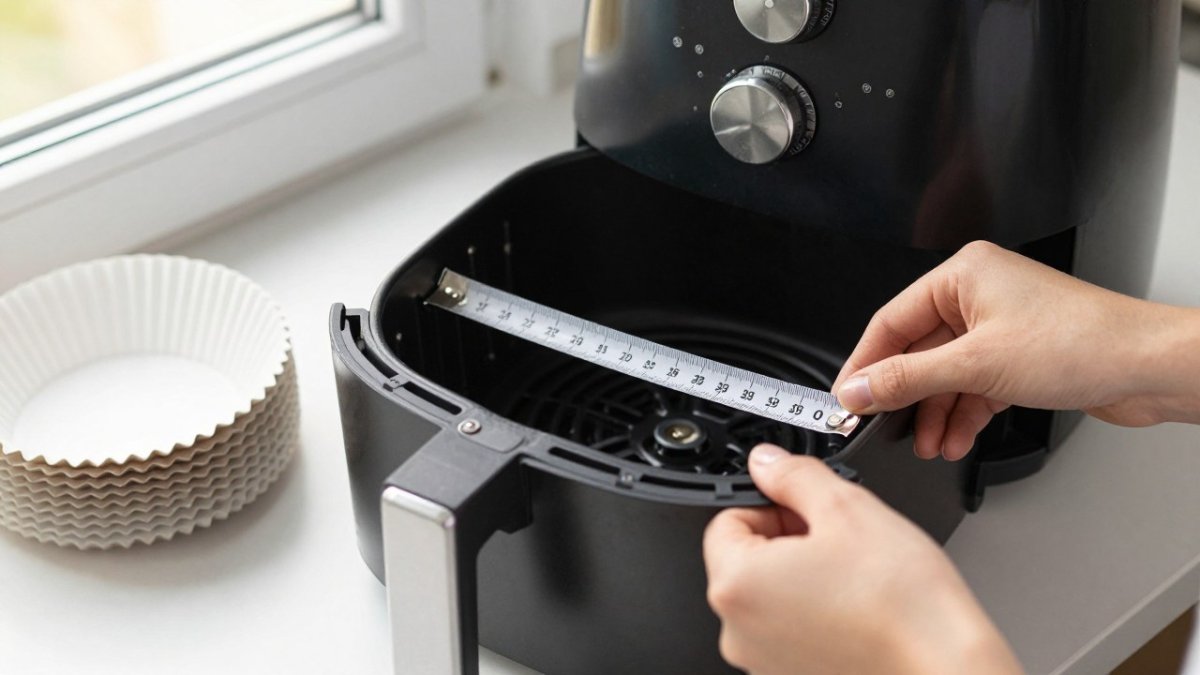
A Repeatable Measurement Method in Six Steps
- Unplug the appliance and let it cool completely. Remove the basket or drawer from the main body.
- Take out anything removable: the crisper plate, a grill insert, a rack, or a divider. You are measuring the bare base the liner will actually rest on, not the top of an insert.
- Lay a tape measure flat across the base, edge to edge, and note the width in centimetres. Do not follow the curve of a tapered side, measure the flat floor only.
- Turn the tape ninety degrees and measure again. Equal figures mean a round basket; unequal figures mean a square or rectangular one.
- If the basket has rounded corners, measure the widest point across the flat floor and then the width at the corner radius. Choose the smaller figure so the liner sits flat without folding up at the corners.
- Write both numbers on a note and keep them with your shopping list. For dual-drawer models, repeat the whole process for each drawer separately, because the two sides are often different sizes.
Round liners suit round baskets; square liners suit square baskets. With rounded corners, choose the smaller of your two measurements so the liner sits flat. A liner 1-2 cm smaller than the base usually fits better than one matching the rim exactly, because it leaves a gap for air to move.
Watch out: if you measure across the top rim rather than the flat base, you will buy a liner that curls up the tapered sides and blocks the side vents.
Accounting for Inserts, Trays and Tapered Sides
Many baskets taper inwards, so the floor is narrower than the opening, measure the floor. If your model has a removable crisper plate with legs, the liner sits on the plate, not the drawer floor: measure the plate's flat surface and check the liner does not cover its perforations.
Oven-style air fryers with a wire rack or baking tray need a liner that leaves at least a 1 cm border on every side so air can circulate.
A Model-Aware Fit Check Before You Buy
Before ordering, run this quick check against your own appliance:
- Does the liner's stated diameter or side length match your flat-base measurement, not the basket opening?
- Is the liner's maximum temperature at or above the temperature you actually cook at? Most recipes sit between 160°C and 200°C, but some reach 220°C.
- Does the liner have perforations if your basket relies on base airflow?
Paper vs Silicone Air Fryer Liners: Which Suits Your Basket
Silicone liners are reusable, heavier and better for messy, saucy dishes. Both catch grease and crumbs. They differ in airflow, cleaning and cost.
| Feature | Paper liner | Silicone liner |
|---|---|---|
| Reusable | No, compost after use | Yes, wash and reuse |
| Airflow | Perforations allow some flow | Solid base can restrict flow |
| Cleanup | Lift out and bin | Wash by hand or dishwasher |
| Best for | Chips, pastries, dry foods | Saucy, greasy dishes |
| Fit | Needs the correct diameter | Needs the correct base size |
Best for silicone: families cooking messy meals who want a reusable option. Skip if: you need maximum airflow, since a solid base can trap steam.
A bowl-shaped silicone liner reduces mess but, as Which? testing on air fryer liners notes, it can restrict air circulation.
Matching Round and Square Baskets to the Right Shape
Shape matters as much as size. A round liner in a square basket leaves four corners exposed, so grease pools there. A square liner in a round basket buckles at the edges. Match the outline first, then the measurement. Readers weighing up compostable paper options can read whether compostable air fryer liners are worth using before committing.
Air Fryer Liners and Airflow: How Fit Changes Crispness
Airflow is what makes an air fryer work: a heating element raises the air temperature and a fan pushes it around the food.
Fit changes airflow three ways. An oversized liner rides up the sides and blocks the side vents. A solid liner blocks the base holes. A loose liner lifts and flutters, disturbing airflow and pushing paper towards the element.
What Actually Happens to Browning and Cooking Time
When airflow is restricted, the same food at the same temperature takes longer and browns less evenly. Chips come out pale and soft, and the underside stays damp because steam cannot escape.
A useful check: cook a single layer of chips with and without the liner at the same temperature and time. If the lined batch is noticeably paler, the liner is restricting airflow more than it should.
Troubleshooting Checks Before You Cook
- Liner curls at the edges: it is too large for the flat base. Size down or trim to your measured width.
- Food underneath is soggy: the liner is blocking the base perforations. Switch to a perforated liner or lift the food slightly.
- Drawer will not close: the liner is riding up the tapered sides. Press it flat and remove any excess.
Watch out: never preheat an empty basket with a loose paper liner inside. The fan can lift it into the heating element before any food weighs it down.
If chips come out soft, check the liner before blaming the recipe. Once you know your basket size, you can pick up correctly sized air fryer liner papers that sit flat and leave the vents clear.
Air Fryer Liner Safety: Heat Limits, Placement and Paper Near the Element
Safe use comes down to three things: heat rating, placement and weight. Always follow the manufacturer's instructions for your model, and never let paper touch the exposed heating element.
- Keep the liner flat on the basket base, never standing up against the element.
- Never preheat an empty basket with a loose paper liner inside; it can lift and scorch.
- Always put food on top of the liner so it stays weighed down.
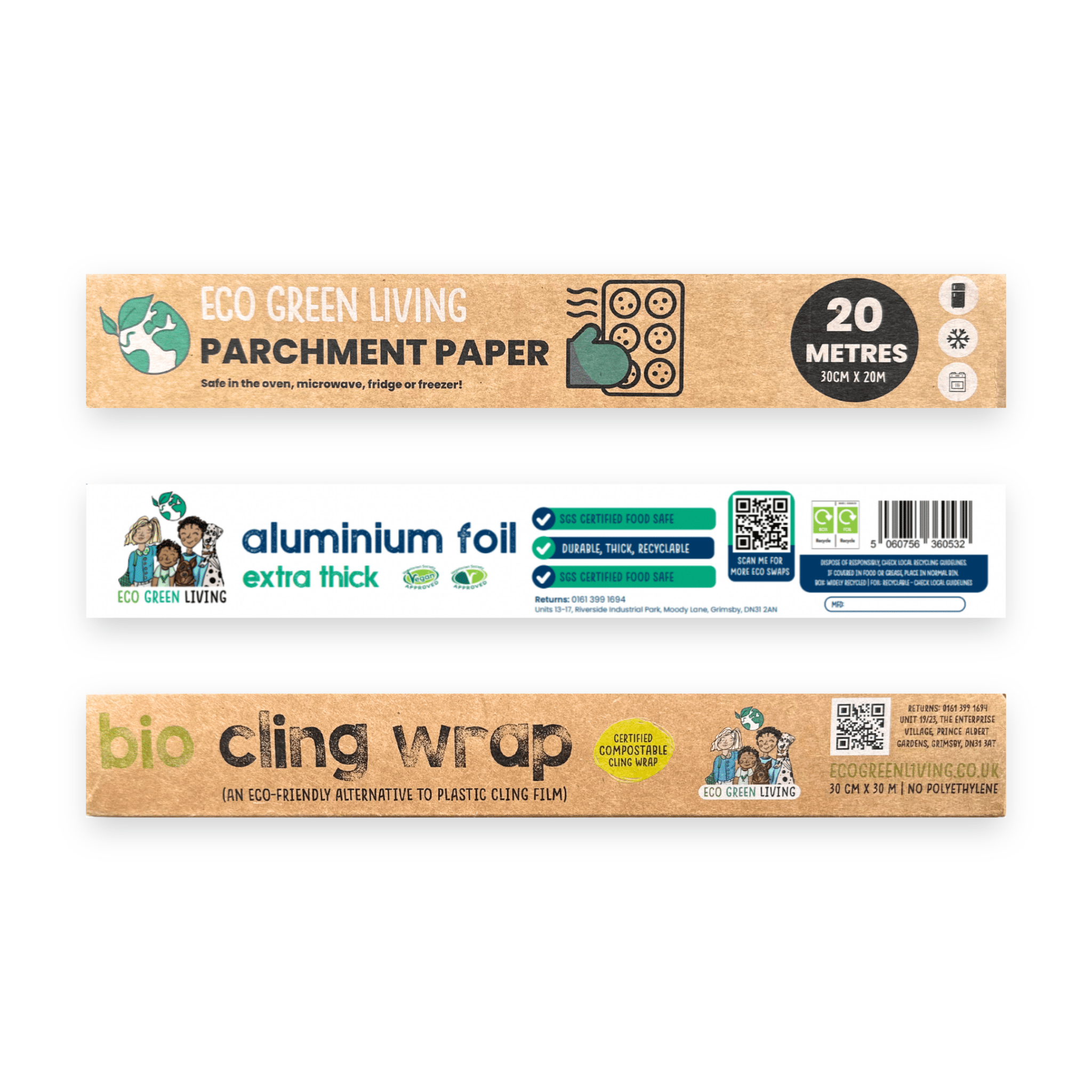
For dishes that need higher heat or a tighter seal, foil and parchment rolls give you more control. You can check the foil and parchment roll specifications for heat limits before use.
Fixing a Liner That Curls, Blocks the Drawer or Fits a Dual Basket
Curling is the most common complaint. Paper lifts at the edges when it is too large for the base or the fan is strong.
If the drawer will not close, the liner is riding up the sides. If you are tired of trimming, choose liners sized for your basket instead.
Fit is the whole game with air fryer liners. Measure the flat base, match the shape, keep the vents clear, and your food will brown properly with far less mess.
Frequently Asked Questions
How do I know what size air fryer liner to buy?
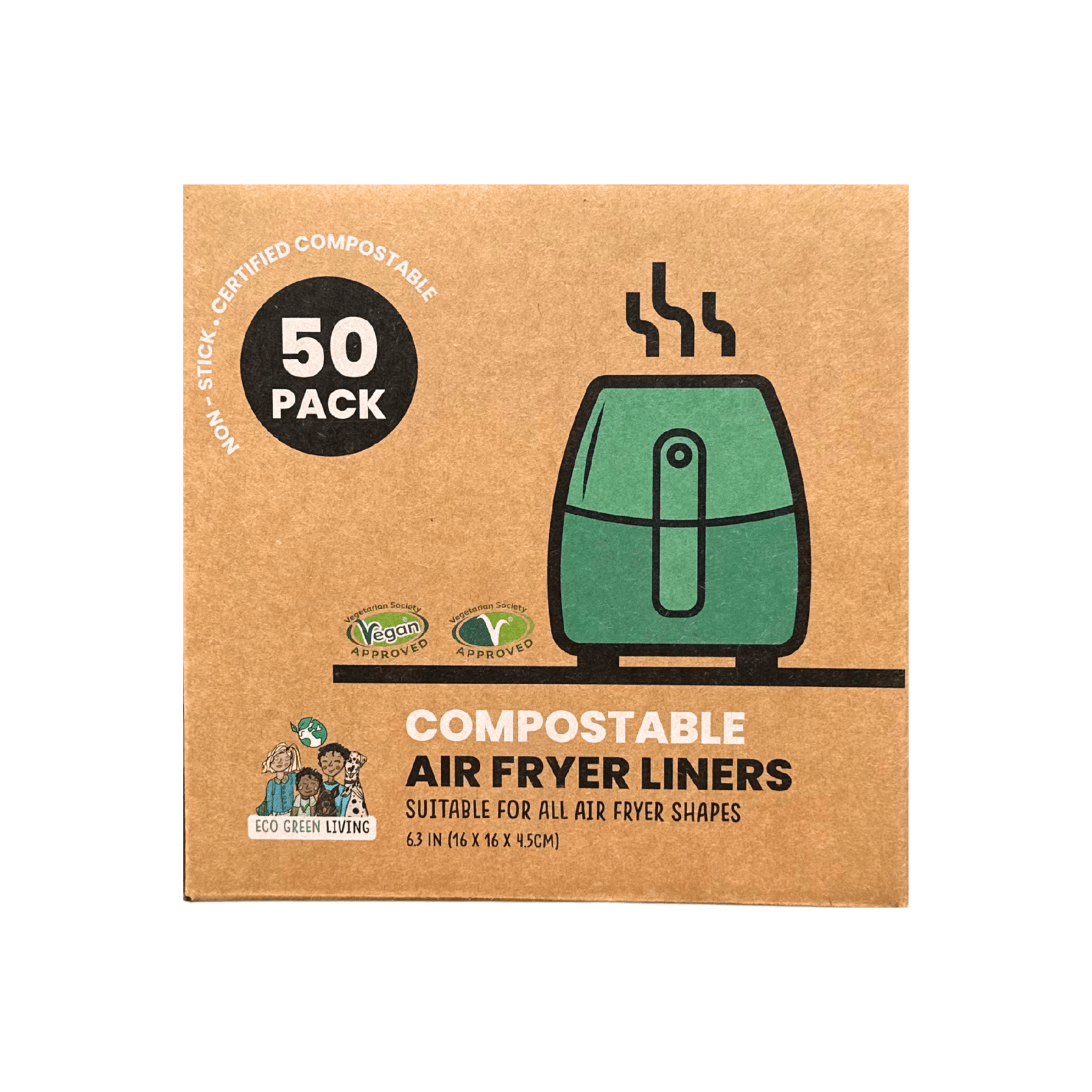
Measure the flat internal base of the basket, not the rim or the outer drawer. Push the tape across the widest flat point and note the diameter for a round basket or the length and width for a square one. Buy a liner that sits inside that measurement with a small gap at the edges. Eco Green Living's compostable air fryer liners are designed to fit most standard round baskets, and the 50-paper box costs £5.00.
Are paper or silicone liners better for an air fryer?
Paper liners are disposable, thin and let air move through the basket, which suits chips, nuggets and anything you want crisp. Silicone liners are washable and catch heavy grease, but bowl-shaped silicone liners can help prevent mess but may restrict air circulation. If crispness matters more than zero washing up, paper wins. If you are roasting something fatty, a perforated silicone liner is the better pick.
Can an air fryer liner block airflow?
Yes, if it is too large or sits too high. A liner that curls up the sides of the basket traps air under the food and slows browning. Keep the liner flat on the base, leave the side vents clear and never let the paper rise above the food. Perforated liners and liners with holes let air pass through, which helps chips and vegetables crisp rather than steam.
Is it safe to use a liner in an air fryer?
It is generally safe when the liner is rated for the temperature you are cooking at and weighted down by food. Never put an empty paper liner in a hot basket, because the fan can lift it into the heating element. Check the manufacturer's instructions for your model, keep paper below the element and use a liner sized to the flat base so it cannot ride up the sides.
